

Mouth Tape, TMJ and Better Sleep
The connection between mouth breathing, TMJ (temporomandibular joint disorder), and sleep quality is underappreciated but well-established. Many TMJ sufferers find that addressing their nighttime mouth breathing dramatically reduces jaw pain and improves sleep. Here is what the research says and how mouth tape fits in.
What Is TMJ?
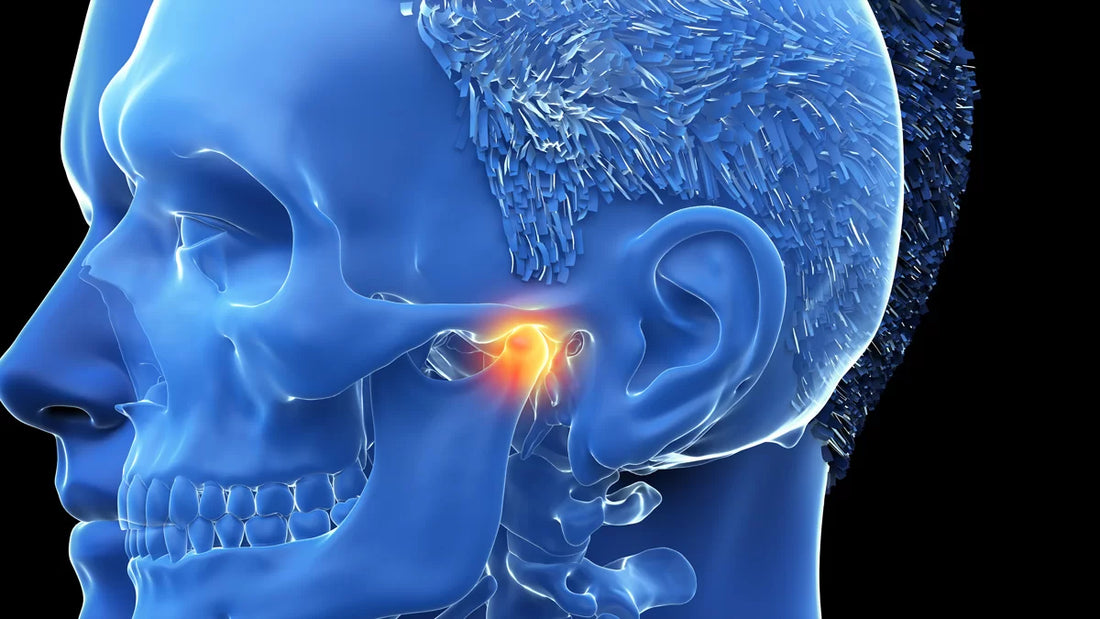
TMJ disorder is inflammation and dysfunction of the temporomandibular joint — the hinge connecting your jaw to your skull. Symptoms include jaw pain, clicking or popping when opening the mouth, headaches (especially in the morning), earaches, and facial tension. An estimated 10 million Americans are affected.
The Mouth Breathing and TMJ Connection
When you breathe through your mouth during sleep, your jaw drops open. This extended opening stresses the TMJ and the muscles that control jaw position throughout the night. For people who already have jaw tension or TMJ, this nightly stress can significantly worsen symptoms.
Additionally, mouth breathing often correlates with poor tongue posture. Nasal breathing naturally positions the tongue against the roof of the mouth, which provides structural support for the jaw and reduces TMJ strain.
Mouth Breathing, Bruxism, and TMJ
Bruxism (teeth grinding) and TMJ often co-occur, and both are worsened by poor sleep quality and elevated cortisol. Mouth breathing disrupts sleep and raises cortisol, which increases bruxism events during sleep. This creates a cycle: poor breathing causes poor sleep, poor sleep increases grinding, grinding worsens TMJ pain, TMJ pain disrupts sleep further.
How Mouth Tape Can Help
By keeping lips gently closed throughout the night, mouth tape encourages the jaw to rest in a more natural, supported position. The tongue returns to the palate, and the joint experiences significantly less overnight strain.
Most TMJ sufferers report reduced morning jaw pain as one of the first improvements they notice after starting mouth taping. This improvement often comes within the first week of consistent use.
Important Caveat
Mouth tape alone is not a treatment for TMJ disorder. Severe TMJ may require physical therapy, dental appliances, or other interventions. But for mild to moderate TMJ influenced by nighttime mouth breathing and poor jaw positioning, mouth taping is a valuable component of treatment.
Related reading: How Tongue Posture Affects Jaw Alignment | 7 Benefits of Nasal Breathing During Sleep
Frequently Asked Questions
Can mouth taping actually reduce TMJ pain?
Many users report reduced morning jaw stiffness and pain within the first week of mouth taping. The mechanism is logical: keeping the jaw in a more natural closed position reduces overnight strain on the temporomandibular joint.
Should I use mouth tape or a night guard for TMJ?
These address different aspects of the problem. A night guard protects teeth from bruxism grinding. Mouth tape addresses mouth breathing and jaw positioning. Many people benefit from using both simultaneously.
Does tongue posture really affect the jaw?
Yes. The tongue resting against the roof of the mouth creates support for the jaw and facial structure. Mouth breathing drops the tongue to the floor of the mouth, removing this structural support and straining surrounding muscles and joints.
Can mouth taping help with morning headaches from TMJ?
Many TMJ-related morning headaches are caused by overnight jaw strain and bruxism. Reducing mouth breathing with tape can reduce these contributing factors, which may improve or eliminate morning headaches for some people.
How is LullTape different from other mouth tapes for TMJ users?
LullTape's H-shape is particularly gentle — it holds lips together without forcing jaw position or adding pressure to the face. This makes it appropriate even for sensitive TMJ sufferers who might find bulkier tape designs uncomfortable.
